
Get Out, Take Part, and Do More of What You Enjoy
One-to-one support to take part in social, recreational and community life, planned around what you actually want to do. We support participants across Logan, Ipswich, Brisbane and Bayside.
Helping people get out, take part and feel more connected.
What is social and community participation?
Social and community participation is support to take part in life outside the house: the activities, places and people that make a week feel like yours.
How it works
A support worker goes with you and helps with whatever makes taking part possible. That might be getting there, managing the practical parts once you arrive, communication support, or personal care while you are out. The activity is yours to choose. The support is there so choosing it is realistic.
One-to-one, not a group
This is individual support, so everything is planned around one person. Your interests, your pace, your preferred days, and the option to change your mind. Some people use it alongside group activities, and plenty of people use it on its own.
How this is different from our other supports
Group & Centre Activities are the same idea in a group setting, where support is shared across the people taking part. Development of Life Skills is about learning to do things more independently over time, rather than having support alongside you now. If you are not sure which fits, call us and we will help you work it out.
What community participation support can include
The activity is up to you. This is the kind of support that makes taking part possible, whatever you have chosen. Not sure where to start? Tell us what you are interested in and we will talk through how it could work.
Getting there and back
Support with transport, planning the trip and managing the parts of getting somewhere that can be difficult.
Joining a club, class or team
Sport, art, music, dance, a hobby group. Support to get started and to keep going once the novelty wears off.
Days out and events
Markets, concerts, the movies, the football, a coffee somewhere new. The ordinary outings that make a week better.
Support while you are out
Personal care, communication support, help managing money or crowds, and anything else that makes being out comfortable.
Volunteering and work experience
Support to give something a go, whether that is helping at a local organisation or trying work experience.
Seeing people you care about
Visiting family and friends, keeping up with the people who matter, and meeting new ones along the way.
Doing the things you already want to do
Not new hobbies chosen for you. The ones already on your list, made possible.
Getting out more often
Fewer weeks where leaving the house did not happen, and more where it did.
Feeling steadier out in the community
Busy places, public transport, new environments. These get easier with repetition and someone alongside you.
Doing more of it independently
Support can step back as things get easier, at whatever pace suits. That is the direction, not a deadline.
Connections that last beyond the activity
The people you meet through something you enjoy tend to be the ones you keep seeing.
What this support can help you work towards
Your goals set the direction, and the support is planned around them. For some people that is getting back to something they used to do. For others it is trying something they have never done before.

How to get started
You do not need a plan for what you would do, or even a clear idea.
Most people start with a rough sense of wanting more out of the week, and we work it out from there.
Get in touch
Call or send an enquiry. Tell us who the support is for, the suburb, and anything they are interested in or used to enjoy. That is enough to start.
Talk it through
We will ask about interests, goals, how they go in different environments, what has worked before and what has not, then talk through what support would make it realistic.
Start and adjust
We start with something manageable and build from there. Interests change, some things turn out not to suit, and that is all part of it. Tell us and we will change the plan.
Where this sits in an NDIS plan
Support to take part in social, recreational and community activities is usually funded from the Core supports part of a plan. One thing worth knowing early: this funding covers the support worker’s time and assistance, not the activity itself. Club memberships, class fees and tickets are generally paid for separately.
Every plan is different, and things like transport can be covered in different ways, so nothing here is a promise about your funding. Your support coordinator or plan manager can confirm what your plan allows, or call us on 1300 544 958 and we will help you make sense of it.
Other supports that might suit
Group activities are one way to spend time in the community. These are the other supports people often look at alongside them.

Group & Centre Activities
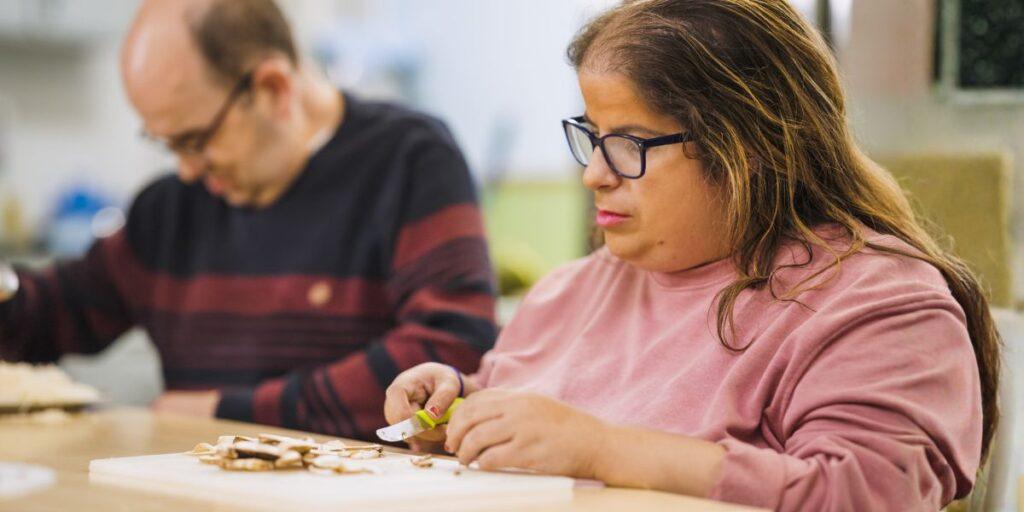
The same idea in a group setting: shared activities with other participants, where support is shared across the group rather than one worker to one person.
Development of Life Skills
Practical support to build everyday skills over time, like cooking, managing money and using transport, so more things become possible on your own.
Assist Travel & Transport
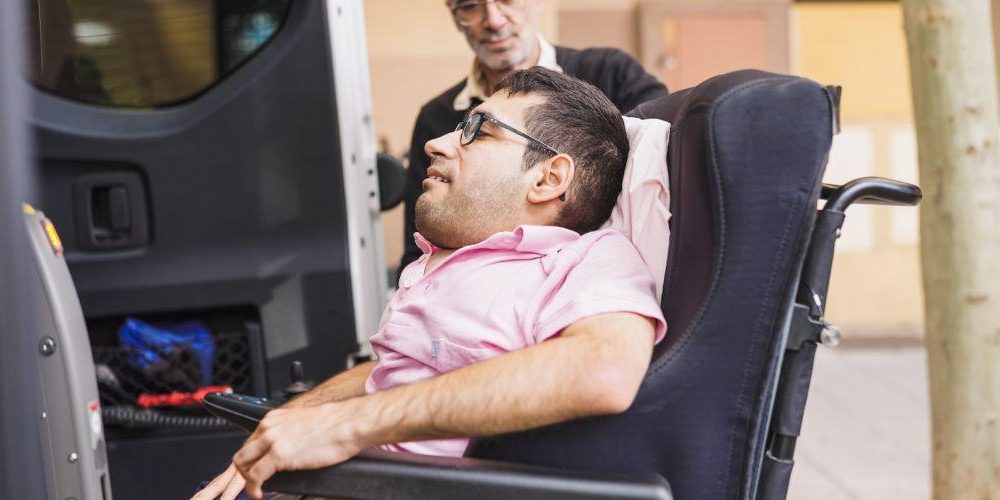
Support with getting around, whether that is public transport, taxis or building the confidence to travel more independently.
Community participation support across Logan, Ipswich, Brisbane and Bayside
Hope & Integrity is based in Logan, and our support workers live and work across the region. That local knowledge matters more than it sounds for this support: knowing which venues are accessible, which times are quieter, and what is actually on nearby.
Areas we support:
Start with a simple conversation
Tell us who the support is for and what they are interested in, even if that is still a bit vague. We will talk through what would suit, what is realistic and where to start. No pressure, and if this is not the right support, we will say so and point you toward what is.
Supporting participants across Logan, Ipswich, Brisbane and Bayside · Open Mon to Fri, 9:00am to 5:00pm
Questions about social and community participation
The questions participants, families and support coordinators ask us most.
What is the difference between this and group activities?
The format. With community participation, one worker supports one person, so the activity, the pace and the timing are all built around them. With Group & Centre Activities, you take part alongside other participants and the worker supports the group.
One-to-one suits people who want their own choices, need more individual attention, or find groups difficult. Groups suit people who want company as much as the activity, and because support is shared, the funding usually stretches further. Plenty of people use both.
Does the funding pay for the activity itself?
Usually not, and it is worth knowing before you plan anything. This funding covers the support worker’s time and the help they provide, rather than the cost of the activity. Club memberships, class fees, tickets and equipment are generally paid for separately, the same way anyone else would pay for them.
There is one exception worth asking about: under the capacity building side of a plan, a limited number of lessons can sometimes be funded so someone can try an activity and see whether they want to pursue it. Your support coordinator or plan manager can tell you whether that applies to your plan.
What if the person does not know what they want to do?
That is where most people start, and it is completely fine. We ask about what they used to enjoy, what they are curious about, and what tends to get in the way. Then we try something small.
Interests often surface by doing rather than by discussing. Some things will not suit, and that is useful information rather than a wasted trip.
Can support help with getting there?
Usually, yes, and it is one of the most common reasons people ask for this support. A worker can help with planning the trip, using public transport, or getting to and from the activity.
How transport itself is funded varies between plans, so it is worth confirming with your support coordinator or plan manager. We can talk through what would work practically, and you can check the funding side with them.
Can this support fit around work, study or other commitments?
Yes. Support is planned around the person’s week rather than the other way around, including evenings and weekends where that is what suits. Tell us the days and times that work, and we will be straight with you about what we can cover.
Still have a question?
Call our local team on 1300 544 958. We will answer it plainly, even if the answer is that we are not the right fit.