
Choosing the right NDIS provider can significantly influence a participant’s safety, wellbeing, independence, and long-term quality of life. While many providers offer general disability support, more Brisbane participants and families are now seeking clinically-led NDIS support services that provide a higher level of care, oversight, and coordination.
This growing demand reflects an important shift within the disability sector. Families are increasingly recognising that participants with complex, behavioural, or high-intensity support needs require more than routine assistance. They need structured, professionally guided support that combines clinical expertise with person-centred care.
Clinically-led NDIS providers are helping meet this need by delivering safer, more coordinated, and outcome-focused support services designed around each participant’s unique circumstances.
What Is Clinically-Led NDIS Support?
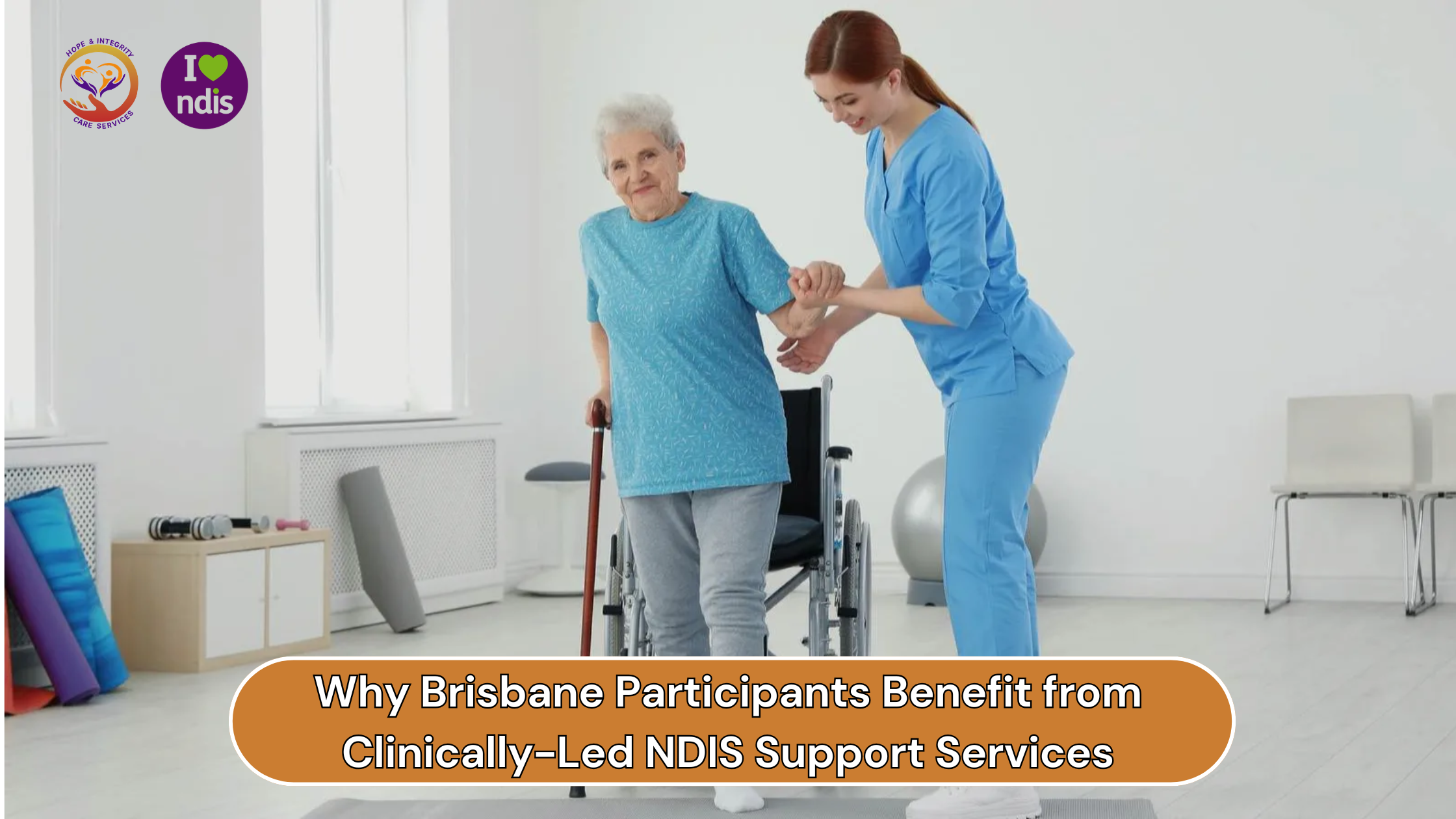
Clinically-led NDIS support refers to disability services delivered under the guidance or oversight of qualified healthcare professionals such as Registered Nurses (RNs) and experienced clinical teams.
Unlike standard support models that mainly focus on day-to-day assistance, clinically-led care integrates:
- Clinical oversight and risk management
- High-intensity support capability
- Behavioural and health support coordination
- Individualised care planning
- Ongoing participant monitoring and review
This approach helps ensure participants receive support that is not only compassionate but also safe, consistent, and responsive to changing needs.
Why Clinically-Led Support Is Becoming More Important in Brisbane
Brisbane families are becoming more informed about the differences between standard disability support and clinically-guided care models.
As participant needs become more complex, many families are prioritising providers who can offer:
- RN-led oversight
- Support for high-intensity care needs
- Integrated behavioural and clinical support
- Strong communication and care coordination
- Consistent, participant-focused service delivery
This is especially important for participants living with chronic health conditions, behavioural challenges, mobility limitations, or complex daily support requirements.
Providers with clinical capability are often better equipped to manage these needs safely and effectively.
The Benefits of Clinically-Led NDIS Support Services
1. Improved Participant Safety
Participant safety is one of the most important advantages of clinically-led support.
Clinical oversight helps ensure:
- Support plans are appropriate and regularly reviewed
- Risks are identified early
- Care procedures are delivered safely
- Staff follow correct support protocols
- Health concerns are monitored consistently
For participants requiring high-intensity support, this additional level of supervision can significantly reduce the risk of complications and improve overall wellbeing.
2. Better Support for High-Intensity Care Needs
Not all NDIS providers are equipped to safely manage high-intensity support requirements.
Clinically-led providers are typically better prepared to support participants who require:
- Complex personal care
- Medication management assistance
- PEG feeding support
- Seizure management
- Mobility and transfer assistance
- Behavioural escalation support
These services require trained staff, structured systems, and ongoing clinical involvement to ensure safe and effective care delivery.
3. More Personalised and Coordinated Care
Every participant has unique goals, preferences, and support requirements. Clinically-led providers take a more structured approach to care planning by combining clinical knowledge with person-centred support strategies.
This helps create support plans that consider:
- Health conditions
- Behavioural needs
- Daily living goals
- Participant routines and preferences
- Long-term independence outcomes
A coordinated approach also improves communication between support workers, clinical teams, participants, and families.
4. Integration Between Behavioural and Clinical Support
Participants with behavioural support needs often benefit most when behavioural strategies and clinical oversight work together.
Integrated support models can help:
- Reduce behavioural triggers and stress
- Improve consistency in care delivery
- Support emotional wellbeing
- Improve communication between support teams
- Create safer support environments
This level of coordination is difficult to achieve without experienced clinical leadership and structured support systems.
5. Increased Confidence for Families
Families want reassurance that their loved ones are receiving safe, reliable, and high-quality care.
Clinically-led support services often provide families with greater confidence because they include:
- Professional oversight from Registered Nurses
- Stronger safety and risk management systems
- Better communication and care reviews
- Structured support planning
- Higher capability for managing complex participant needs
This creates greater trust in the provider’s ability to deliver consistent and effective care.
Why RN-Led Oversight Matters in Disability Support
Registered Nurses play an important role in clinically-led disability care. Their involvement helps ensure support services remain safe, responsive, and aligned with participant health needs.
RN-led oversight may include:
- Reviewing participant care plans
- Monitoring changes in health conditions
- Supporting high-intensity care procedures
- Training and guiding support staff
- Coordinating with families and healthcare professionals
This level of professional involvement helps improve both participant safety and long-term care outcomes.
What Brisbane Families Should Look for in an NDIS Provider
Choosing the right NDIS provider involves more than comparing basic services. Families should look for providers with the capability to deliver structured and participant-focused support.
Important factors to consider include:
- Does the provider offer RN or clinical oversight?
- Are support workers trained for high-intensity care?
- Is behavioural support integrated into care planning?
- How are emergencies and risks managed?
- Are care plans personalised and regularly reviewed?
- Does the provider focus on long-term participant outcomes?
These questions can help families identify providers that prioritise both safety and quality care.

How Hope & Integrity Care Services Supports Brisbane Participants
At Hope & Integrity Care Services, support is delivered through a clinically informed care model designed to improve participant wellbeing, independence, and long-term outcomes.
Our approach combines:
- RN-led oversight and support coordination
- High-intensity disability support capability
- Behavioural and clinical care integration
- Individualised support planning
- Participant-focused care delivery
We understand that every participant’s needs are different, which is why our services are tailored to provide safe, respectful, and personalised support.
By combining clinical expertise with compassionate care, we help participants and families feel more confident in the support they receive.
Building Better Long-Term Outcomes Through Clinically-Led Care
High-quality disability support is about more than completing daily tasks. It is about helping participants feel safe, respected, empowered, and supported in achieving their goals.
Clinically-led NDIS support services are becoming increasingly valuable because they provide:
- Greater care consistency
- Improved participant safety
- Better support coordination
- Stronger management of complex needs
- More reliable long-term support outcomes
As the disability sector continues to evolve, Brisbane participants and families are increasingly choosing providers who can deliver both clinical capability and person-centred care.
Final Thoughts
More Brisbane participants are benefiting from clinically-led NDIS support services because these models provide a higher standard of safety, coordination, and personalised care.
For individuals with complex or high-intensity support needs, clinically-led providers can offer the structure and expertise needed to improve both daily wellbeing and long-term outcomes.
By combining RN-led oversight, integrated support systems, and participant-focused care, providers like Hope & Integrity Care Services are helping raise the standard of disability support across Brisbane.
Frequently Asked Questions
What is clinically-led NDIS support?
Clinically-led NDIS support refers to disability care delivered under the supervision or guidance of qualified healthcare professionals such as Registered Nurses.
Why are Brisbane participants choosing clinically-led NDIS providers?
Brisbane participants are choosing clinically-led providers because they offer improved safety, personalised care planning, high-intensity support capability, and better long-term participant outcomes.
What are the benefits of RN-led disability support?
RN-led disability support helps improve participant safety, care coordination, risk management, and support quality for participants with complex or high-intensity needs.
Can clinically-led providers support high-intensity care participants?
Yes, clinically-led providers are typically better equipped to support participants with complex medical, behavioural, or high-intensity support needs.
What should families look for in an NDIS provider in Brisbane?
Families should look for providers with clinical oversight, experienced support staff, personalised care planning, and strong capability in managing complex participant needs.